Dominguez Sport
We’re preparing your experience.
Dominguez Sport
We’re preparing your experience.
Practical guides to choosing garments, designing graphics and organising supply. From the first logo to the next reorder.
Knowledge, before the choice
52 items
Basketball · 1 min
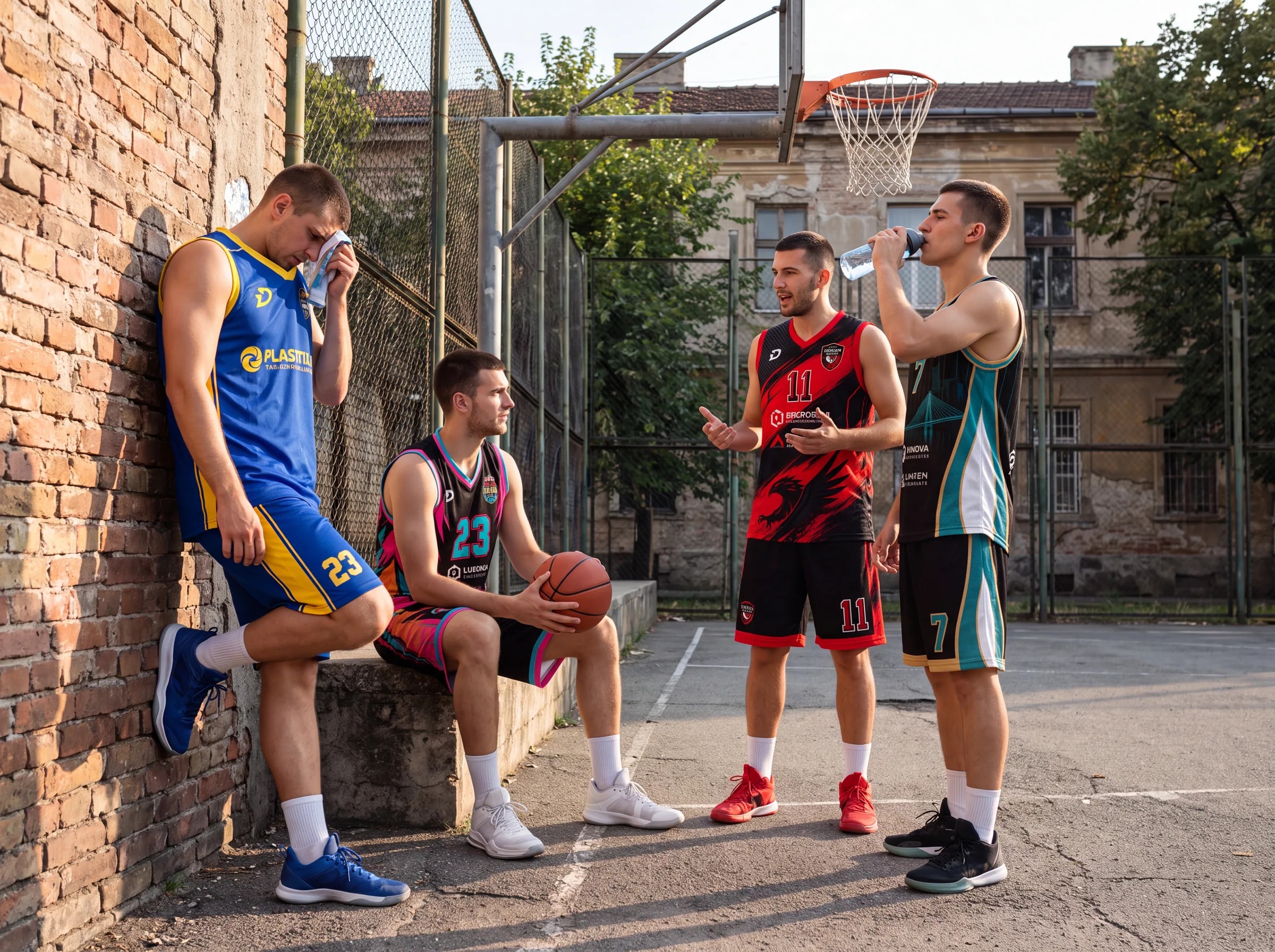
For warm-ups and pre-match moments, define the garments actually needed and the graphics they should share. It’s not mandatory to repeat every element of the match vest.
Read the guide →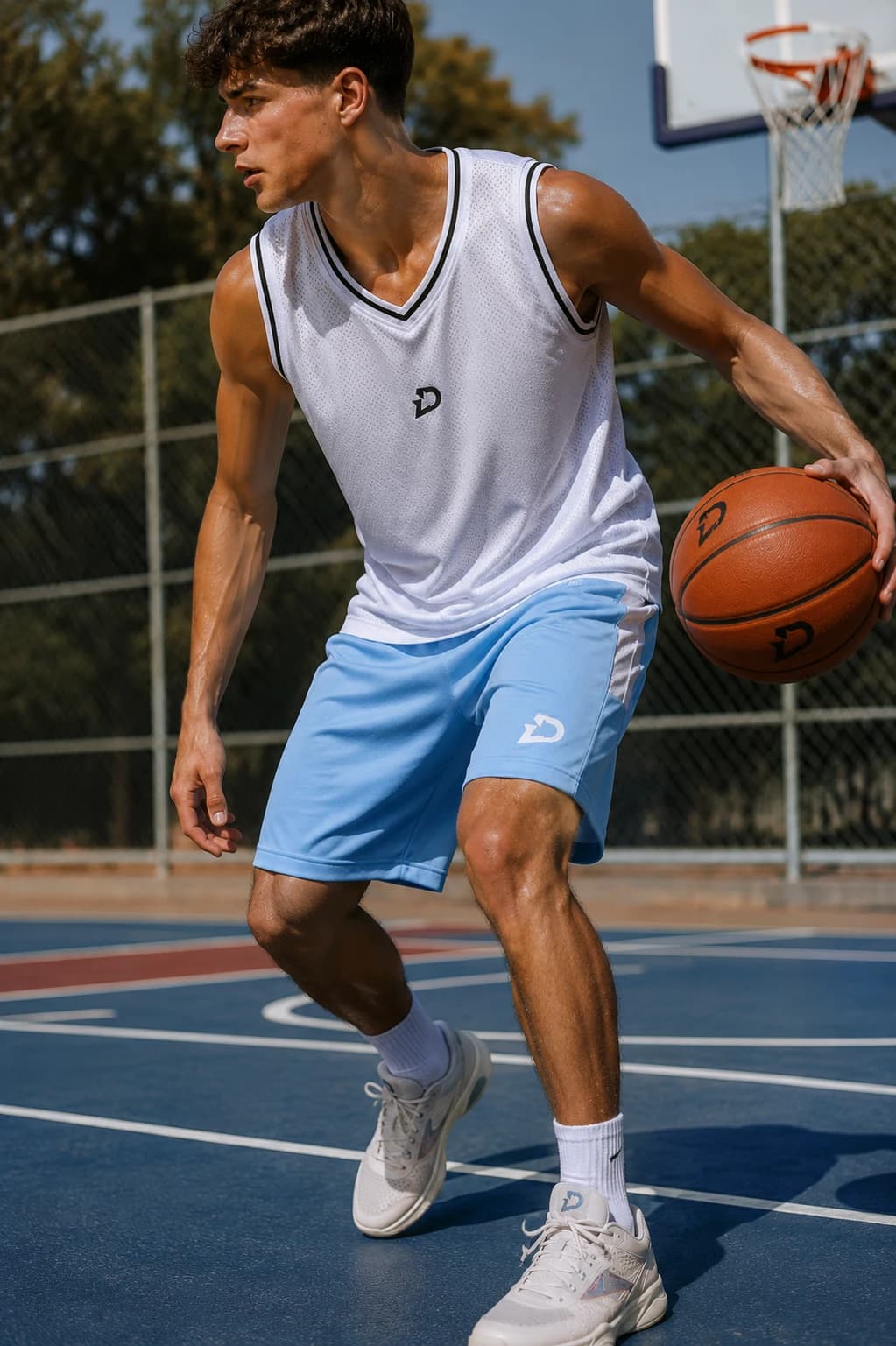
Basketball · 1 min
More sponsors need a clearer hierarchy, not just smaller logos. Define which brand is the main one and which can be arranged in secondary areas.
Read the guide →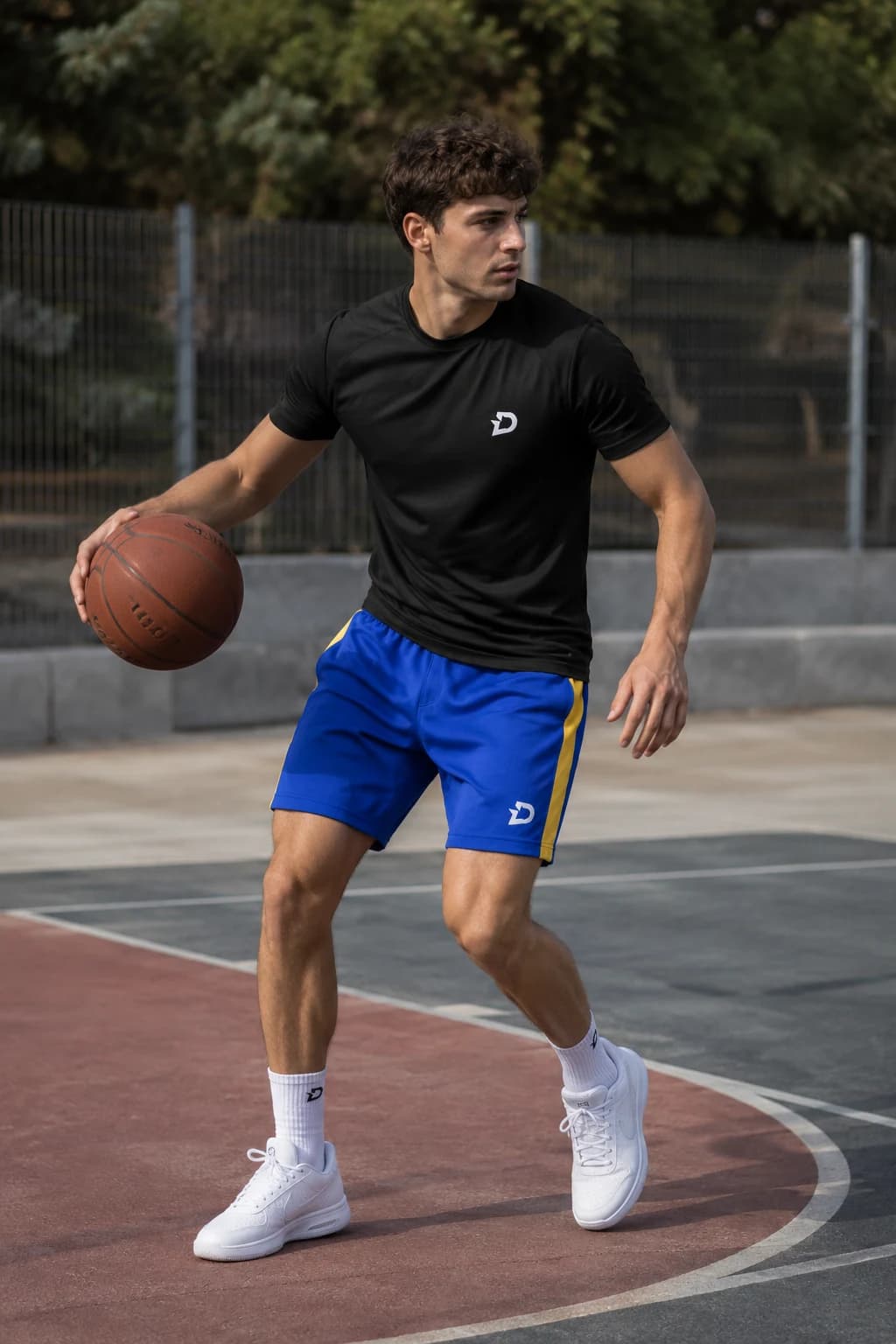
Basketball · 1 min
Even a small supply deserves a complete project: model, variant, sizes, numbers and any sponsors. A small number of athletes doesn’t remove the risk of mixing up individual details.
Read the guide →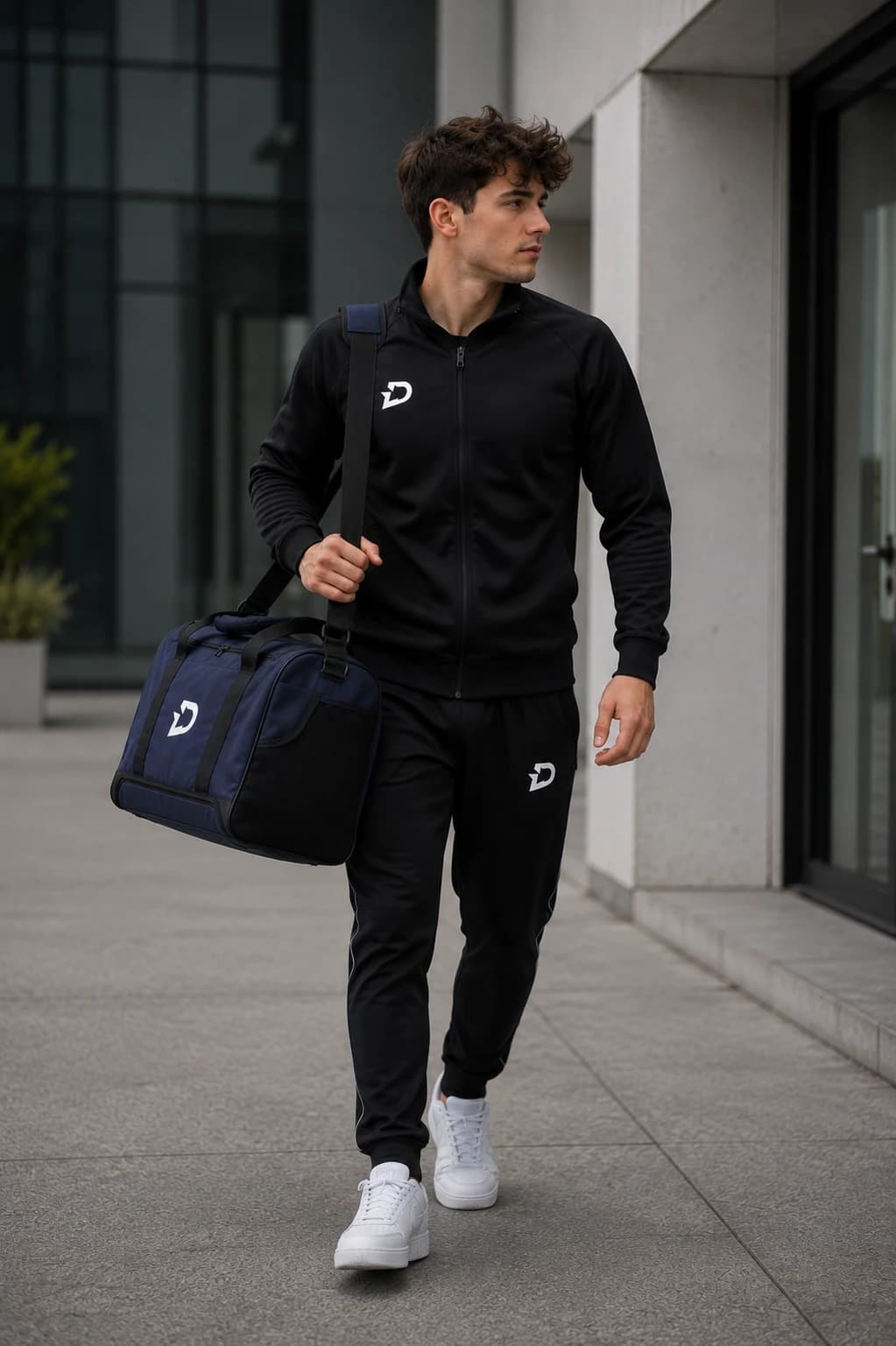
Basketball · 1 min
Use the previous project as a base, but separate unchanged and new elements: roster, sponsors, colours, numbering and models. The new season shouldn’t automatically inherit all past choices.
Read the guide →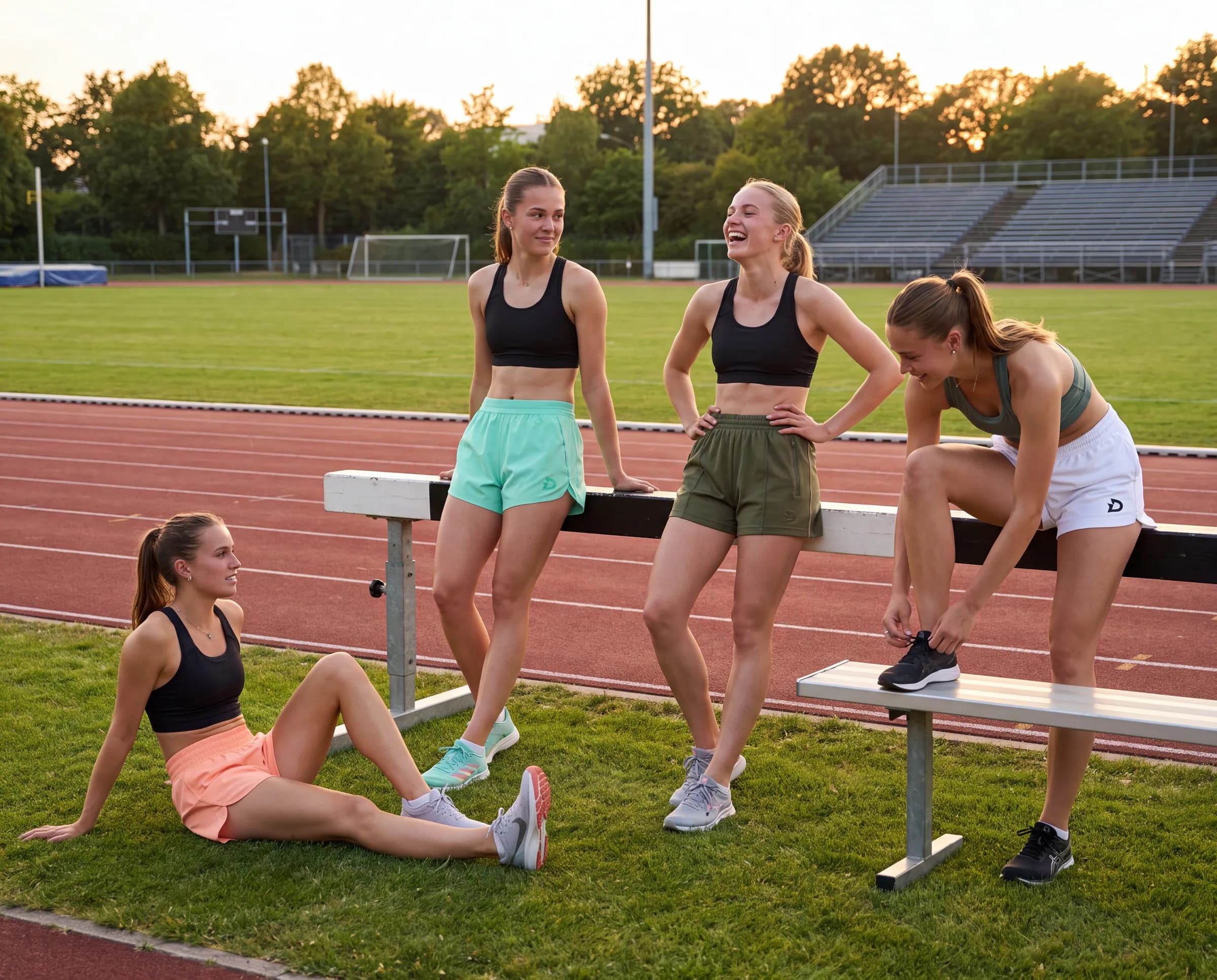
Running · 1 min
For a running group, start from the use: training, an event or ongoing supply. Then choose the available models and collect the sizes, without confusing shared graphics with an obligation to use the same garment for everyone.
Read the guide →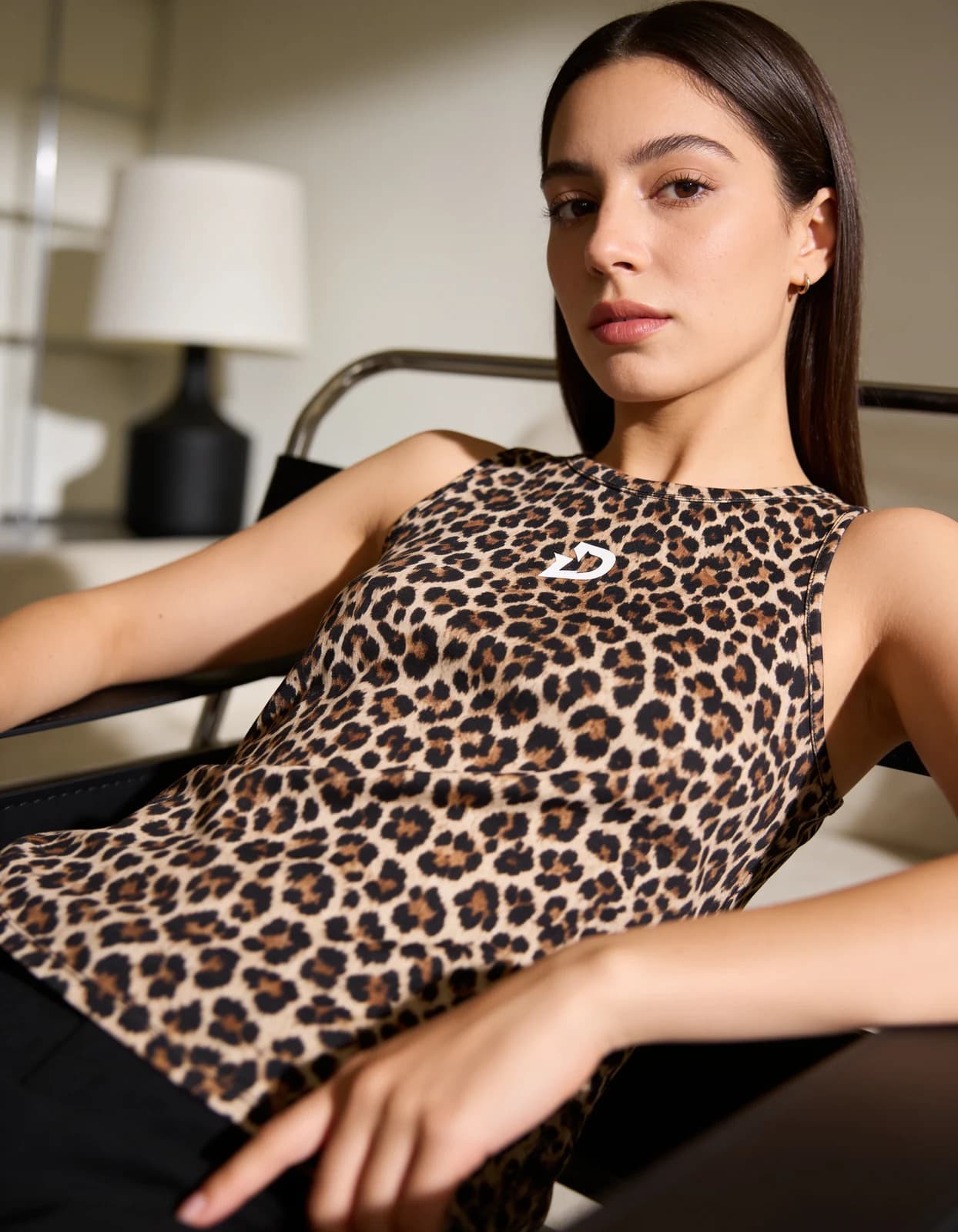
Running · 1 min
The choice depends on preferences, use and the characteristics of each model. Comparing the amount of fabric visible in a photo isn’t enough to decide which garment suits every athlete.
Read the guide →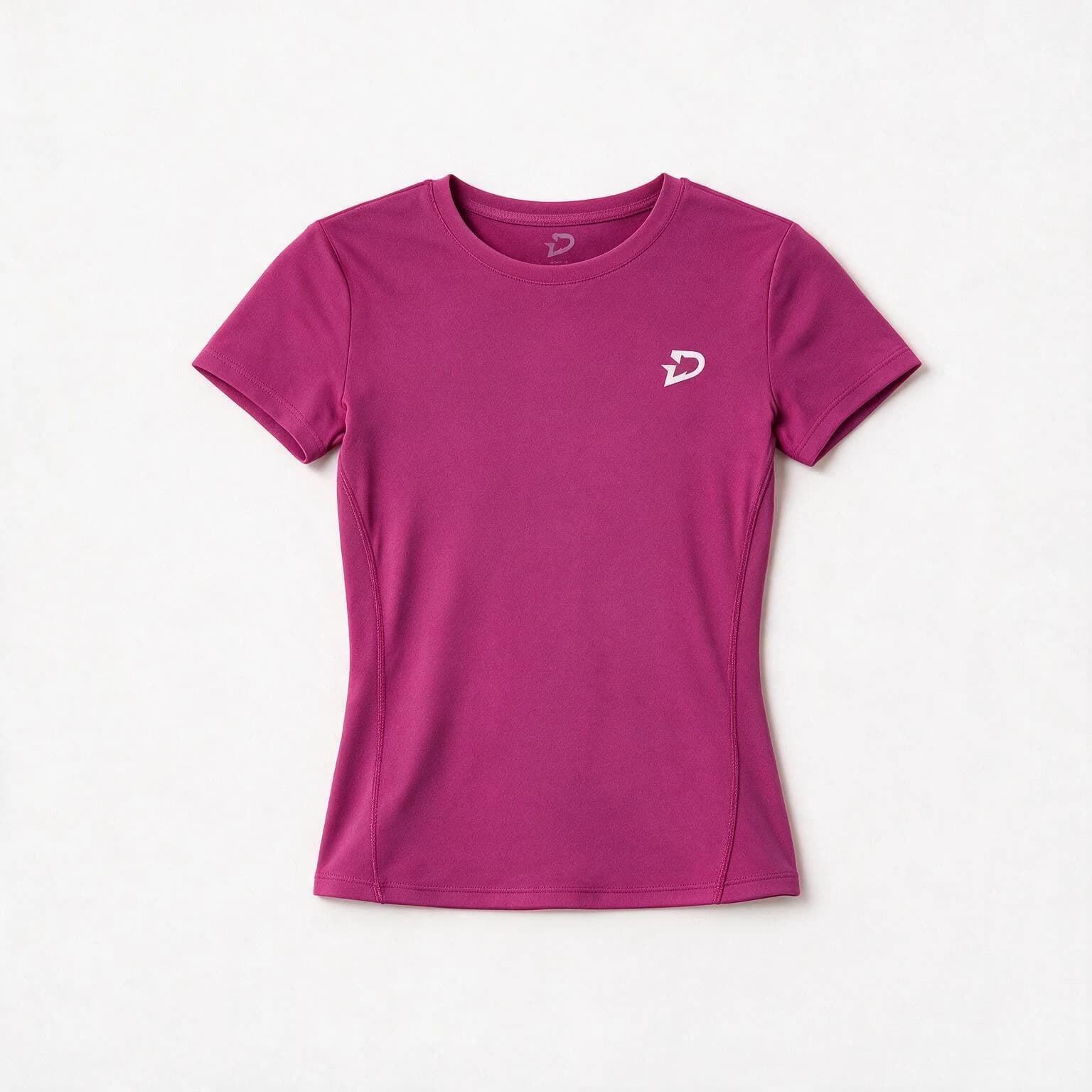
Running · 1 min
When designing a shirt for an event, consider the area the race bib might cover. A large central sponsor may look very visible in the draft but be hidden during the race.
Read the guide →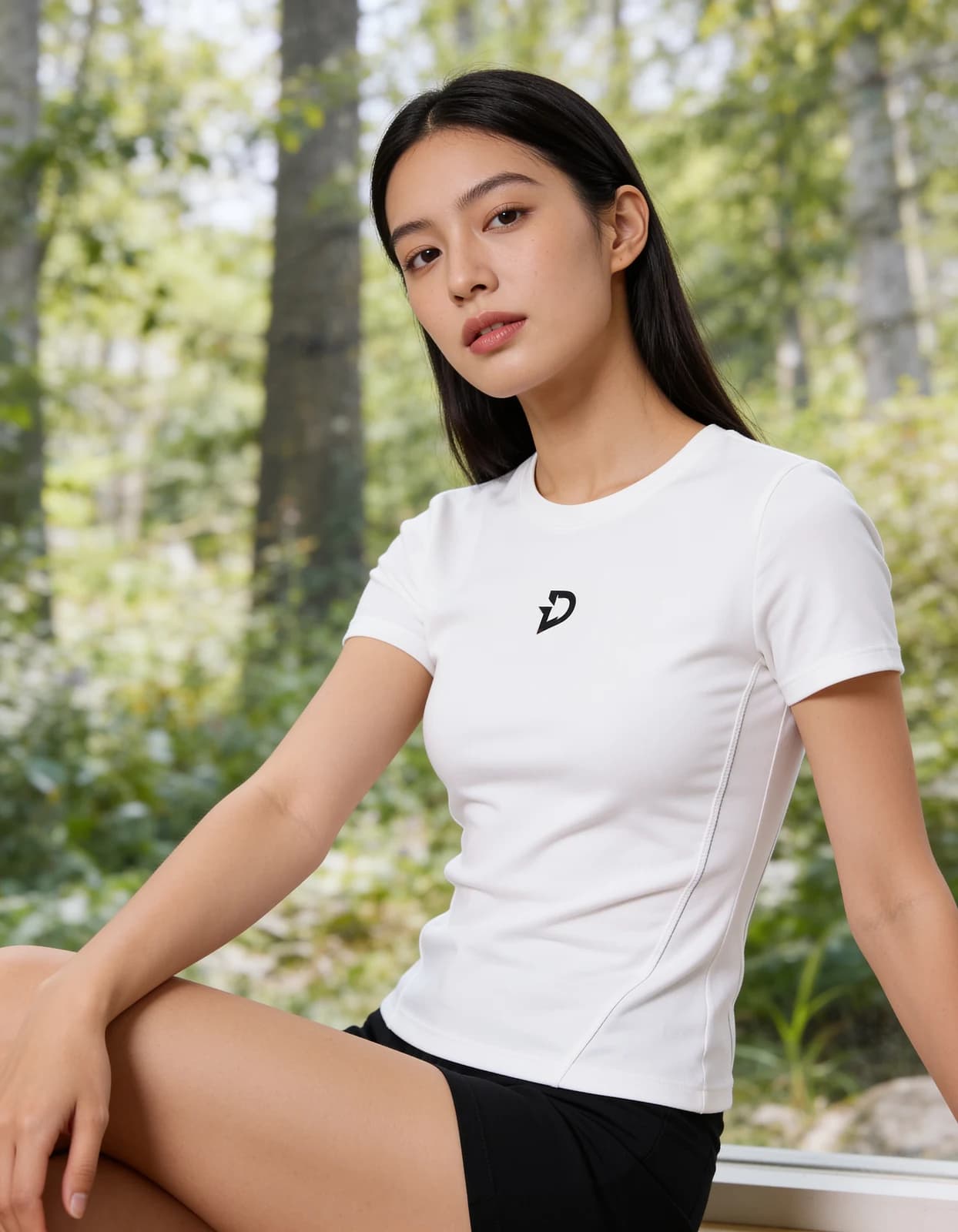
Running · 1 min
For a group name on the back, check length and contrast before choosing a decorative typeface. A very long name needs a different layout from an abbreviation of a few letters.
Read the guide →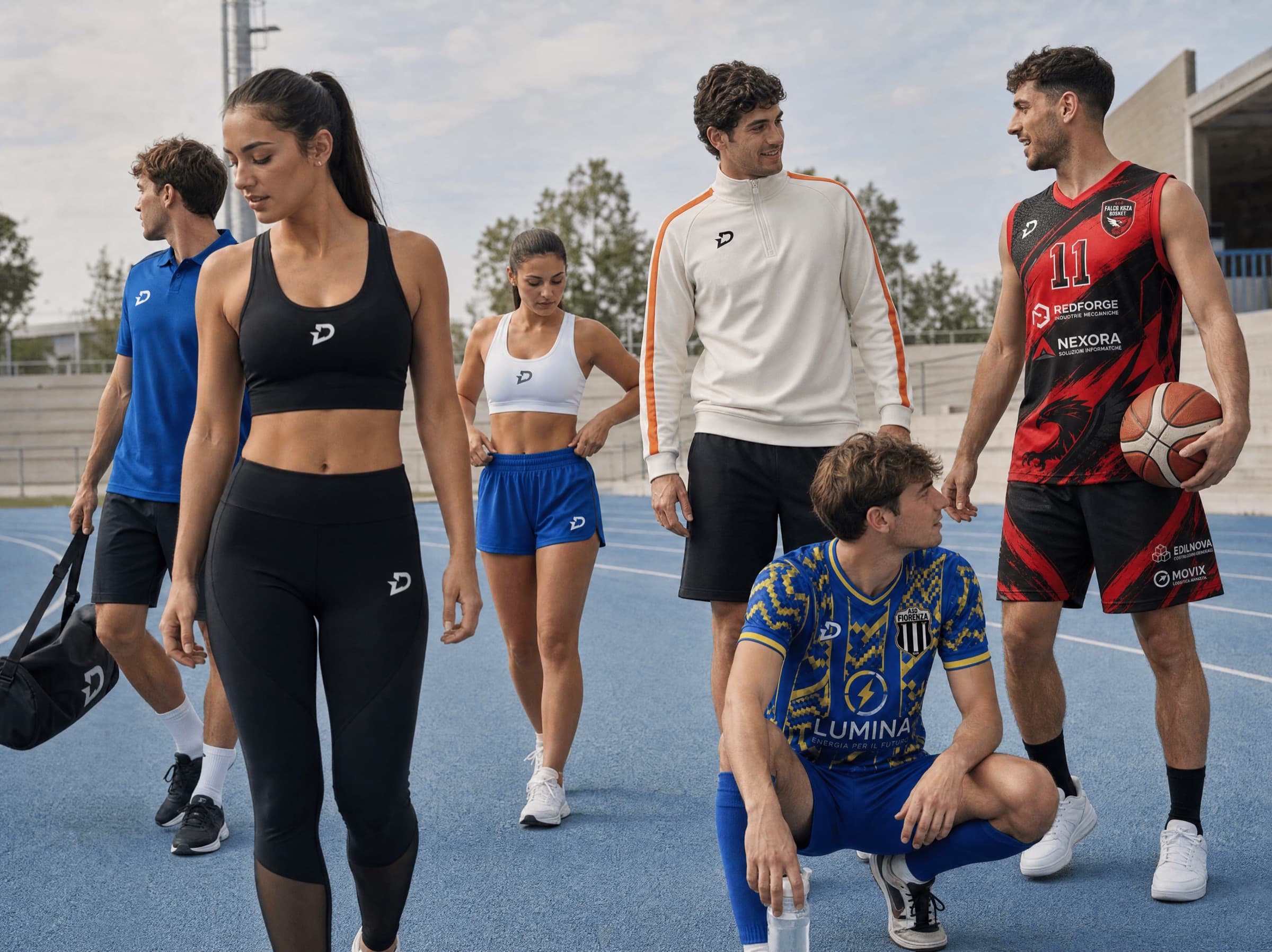
Running · 1 min
For a company event, separate the information needed for the supply from organisational data that’s no use for printing. You need models, sizes, quantities and authorised graphics; there’s no need to hand over the entire participant archive.
Read the guide →
Running · 1 min
When the group chooses different models, collect the sizes for each product. A size shouldn’t be carried over automatically from one model to another, even when the commercial name is similar.
Read the guide →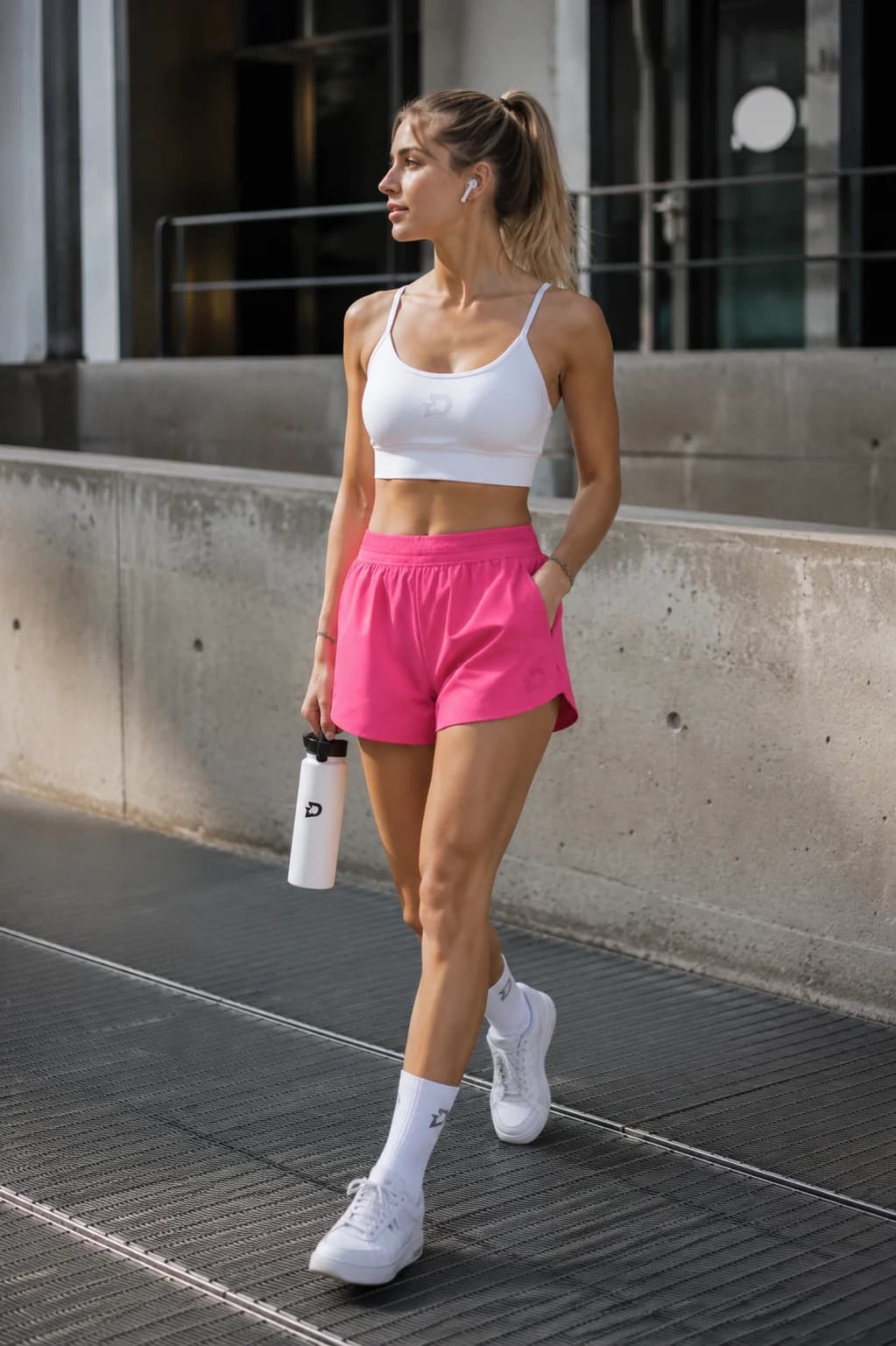
Running · 1 min
Choose the bottoms based on the model and intended use, not just the category. Length and fit are things to check in the product sheets and with whoever will wear the garments.
Read the guide →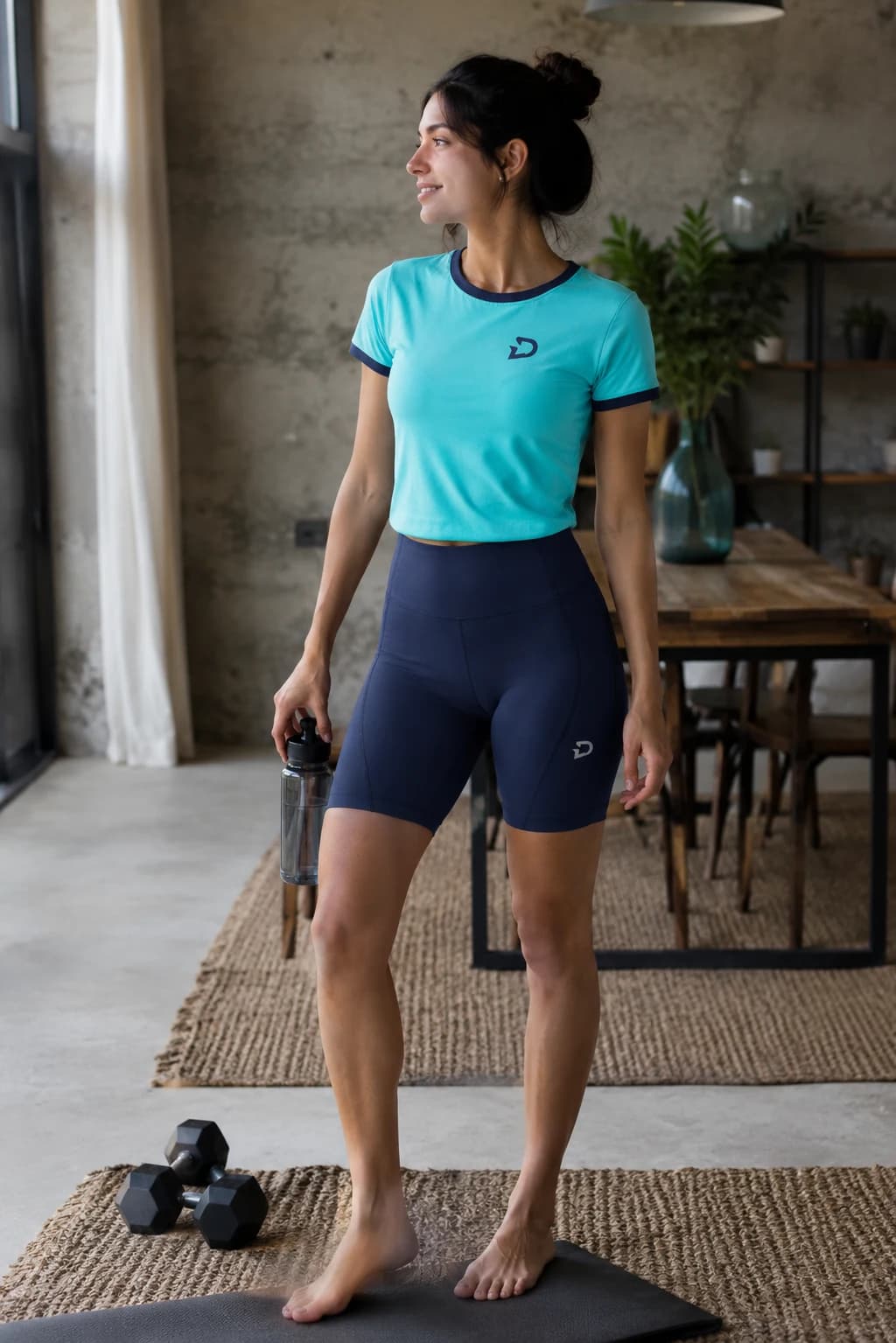
Running · 1 min
Keep the project code, model, variant and approved files. This information is more useful than a simple photograph of the shirt for preparing the top-up for new members.
Read the guide →